
Wednesday, October 21, 2026
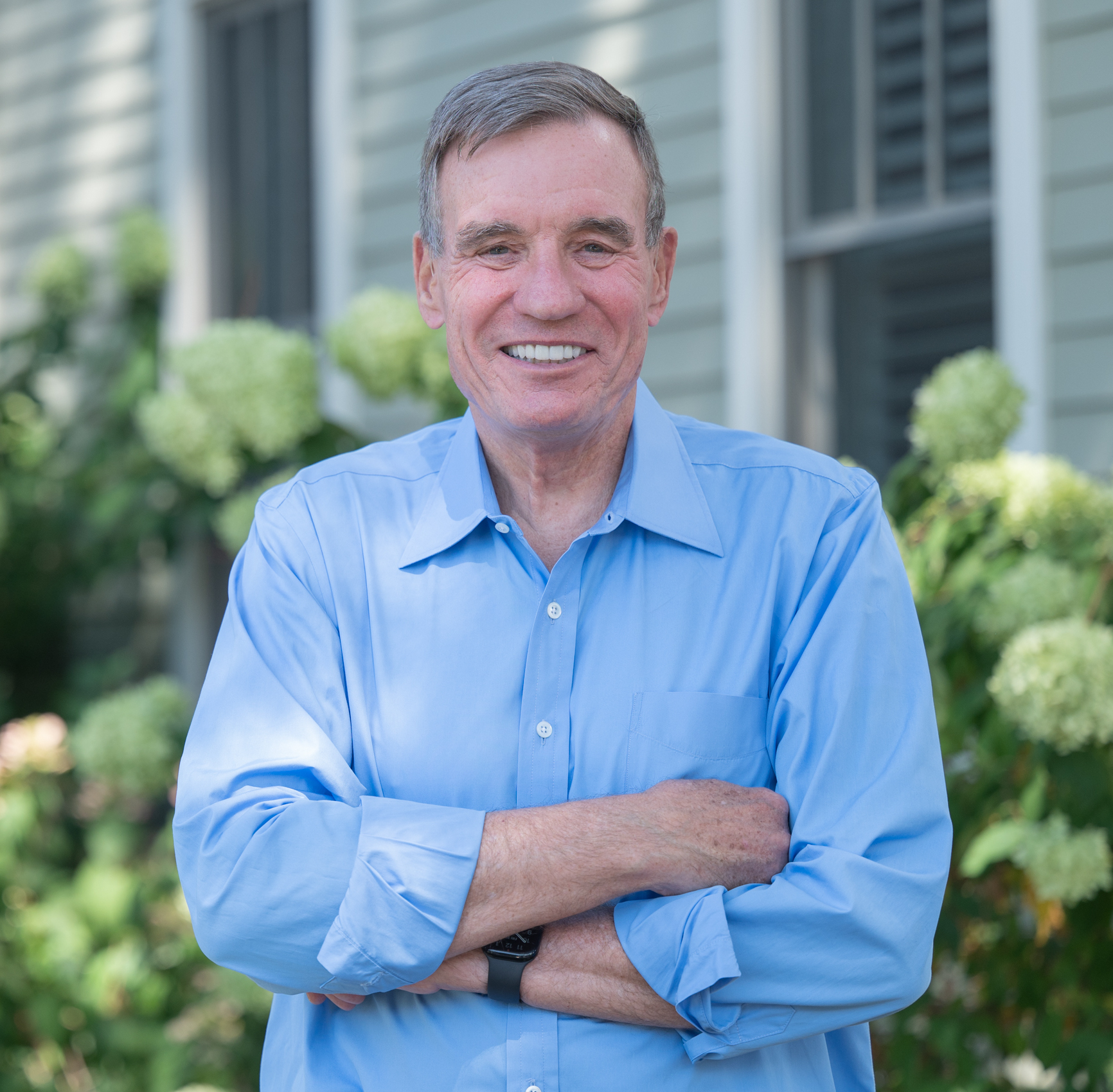
Sen. Mark R. Warner (D)
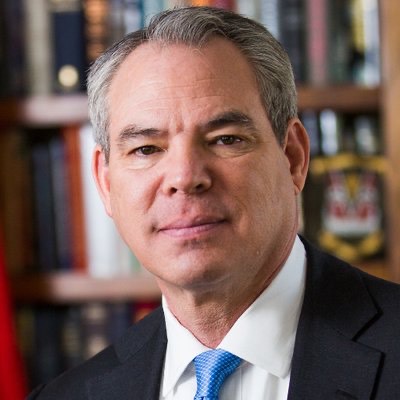
Bert K. Mizusawa (R)
Member, United States Senate — Statewide
The Connection Newspapers invited candidates on the ballot for Virginia’s statewide U.S. Senate race — Democratic incumbent Mark Warner and Republican challenger Bert Mizusawa — to participate in our 2026 Voter Guide. (Mizusawa did not reply.) We asked candidates about issues facing our region, including housing affordability, transit infrastructure, federal job protections and regional utility regulation.. Candidates appear in the official ballot order set by state election officials.
QUESTIONNAIRE
Q1 Housing & Zoning: Under Department of Housing and Urban Development guidelines, housing is considered affordable when costs do not exceed 30 percent of income for families earning up to 80 percent of Area Median Income—including extremely low-income households earning at or below 30 percent of Area Median Income. Given that Virginia’s Dillon Rule restricts Fairfax County’s authority over local revenue and zoning mandates, how will you leverage federal housing grants, housing choice vouchers, federal tax credits, or federal land transfers to expand affordable housing in our district?
Q2 Transit & Infrastructure: Fairfax County relies heavily on federal partnerships to fund critical transportation networks. What specific federal infrastructure funding bills, transit grants for Metro, or United States Department of Transportation initiatives like Safe Streets and Roads for All will you champion to relieve traffic congestion and protect vulnerable road users?
Q3 Federal Workforce & Economy: Fairfax County’s economy relies heavily on tens of thousands of federal civil servants and contractors, whose spending sustains local small businesses and the regional job market. How will you protect federal workforce jobs and government contracting, and what strategies will you pursue to support Northern Virginia workers and industries impacted by economic shifts?
Q4 Energy Grid & Utility Rates: Following Governor Spanberger’s intervention before the State Corporation Commission regarding the proposed Dominion Energy–NextEra merger, and federal concerns over data center energy load and rising utility bills: What federal legislation or regulatory oversight will you pursue to protect Northern Virginia households from rising energy costs while supporting grid reliability?
CANDIDATE RESPONSES
Mark R. Warner (Democrat)
Q1 Housing & Zoning: There is a housing crisis in this country and we’re millions of homes short. I am proud to have co-authored the bipartisan ROAD to Housing Act, a landmark package of legislation. It has key provisions to boost the housing supply while lowering costs, protect veterans and renters, and prevent housing in rural areas from being bought up by corporate investors. Additionally, I have introduced and supported a range of bipartisan bills to spur new housing construction and redevelopment, including the Neighborhood Homes Investment Act, Affordable Housing Credit Improvement Act, New Markets Tax Credit Extension Act, and the Historic Tax Credit Growth and Opportunity Act. I was also the lead author of the Low-Income First Time Homebuyers (LIFT) Act, which would help qualified first-generation homebuyers build equity in their homes by offering a 20-year mortgage with monthly payments comparable to a traditional 30-year loan, and the Yes in God’s Backyard (YIGBY) Act, which would help faith-based organizations and institutions of higher education unlock the promise of their existing land holdings by transforming underused property into much-needed affordable housing.
Q2 Transit & Infrastructure: I was proud to be a key negotiator of the landmark Bipartisan Infrastructure Law (BIL), which delivered transformative investments to communities across Virginia. The Bipartisan Infrastructure Law has delivered hundreds of millions of dollars for public transit across Virginia, including passenger rail, ferry service, and buses. I have also been a consistent and strong advocate for robust Washington Metropolitan Area Transit Authority funding. As we work on a full-year of government funding and renewal of BIL, I will continue to fight for Virginia to get our fair share of funding that supports our vital public transit systems.
Q3 Federal Workforce & Economy: Federal workers in Virginia and across the country are the backbone of services Americans depend on. As the Trump administration continues to target federal workers and use them as political bargaining chips, it is critical to defend the job security, pay, and benefits of our dedicated civil service. I have fought against the administration’s attacks on federal workers, from trying to access their sensitive data to attempting to weaken longstanding civil service protections. My Federal Worker Credit Protection Act is legislation to protect federal workers’ credit histories during a government shutdown. I have also introduced legislation to keep federal wages competitive, prohibit RIFs during a shutdown, and preserve collective bargaining for federal workers.
Q4 Energy Grid & Utility Rates: As I travel around the Commonwealth, I listen to Virginians and I take what they say seriously. Virginians are already being crushed by rising energy costs and they shouldn’t have to foot the bill for the data centers in their neighborhood. These companies should have to pay their own electric bills. I’ve introduced legislation to require greater transparency about energy and water use and other impacts, make data centers pay for the grid upgrades they require instead of passing those costs on to residents, and condition valuable tax benefits on meeting strong efficiency standards.
____________________________________________________________________________________
Bert K. Mizusawa (Republican)
Did not reply.