
Thursday, May 7, 2026
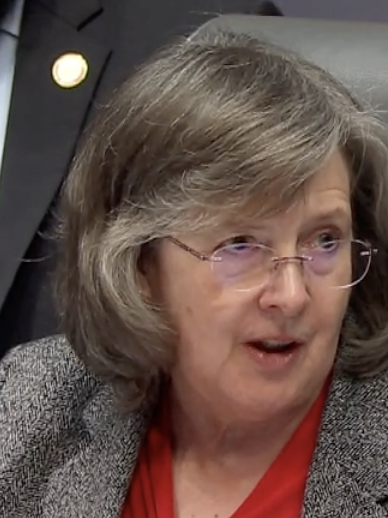
Vice Chair Kathy Smith – Voted Yes. “I wish we didn’t have to have a reserve for economic uncertainty … this isn’t like regular budgeting.”
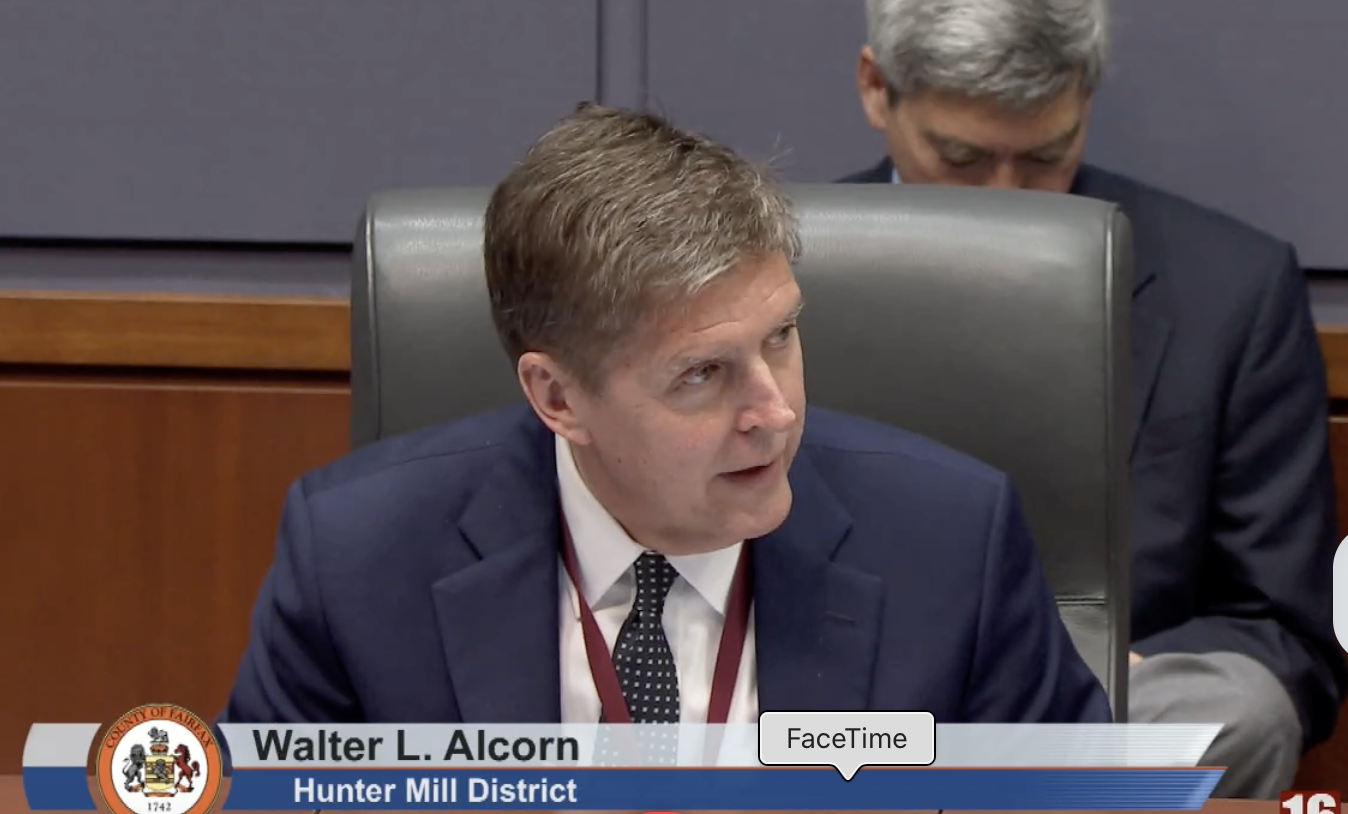
Supervisor Walter Alcorn – Voted No. “I cannot support a reduction in the real estate tax rate, even a small amount, while also cutting services to some of our most vulnerable residents.”
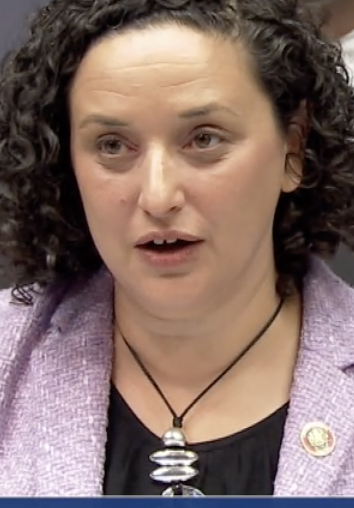
Supervisor Dalia Palchik – Voted Yes. “The changes to the budget represent a balance of improving affordability while implementing targeted restorations to essential human services.”
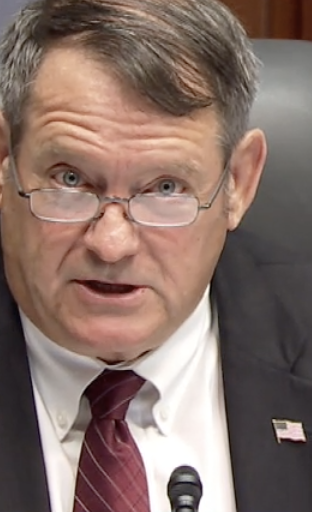
Supervisor Pat Herrity – Voted No. “Taxes are up 60% over 10 years, they’re too high… the $20 credit from the quarter‑penny doesn’t cut it because taxes are still going up.”
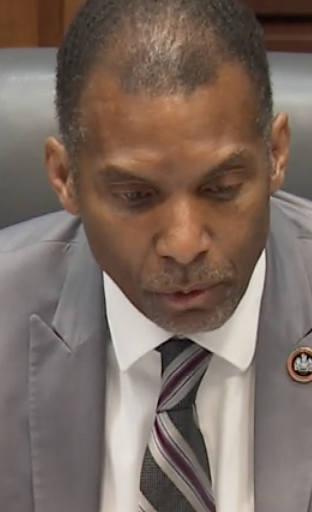
Supervisor Rodney Lusk – Voted Yes. “With this reduction, this will be the fifth time in six years the Board has lowered the real estate tax rate, recognizing residents’ serious affordability concerns.”
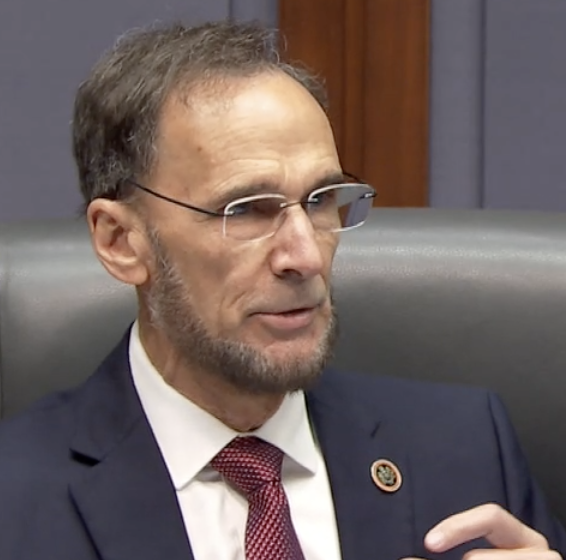
Supervisor Dan Storck – Voted Yes. “Budgets are value statements, and we are consistently making a strong, positive value statement for the people of the county.”
The Fairfax County Board of Supervisors marked up the County Executive’s FY 2027 Advertised Budget Plan and the FY 2027 Add-on Package on April 28, informally agreeing in an 8–2 vote to a $5.9 billion general fund budget for fiscal 2027. The plan reduces the real estate tax rate by one‑quarter of a cent, from $1.1225 to $1.12 per $100 of assessed value, while also strengthening the county’s commitment to social infrastructure.
The board dedicated $8.8 million in recurring funds to support affordable housing — an investment equivalent to an additional quarter‑penny on the real estate tax rate. This “brings our recurring baseline investment in affordable housing to a penny and a half on the real estate tax rate, or $52.7 million,” Chairman Jeff McKay said.
The markup package began with a $23,167,079 balance in the general fund, which the board allocated through a series of adjustments in the add‑on package, including partial restorations for several human services programs. “The board is partially restoring funding for four programs: $250,000 for the low‑and-moderate‑income home repair pilot, $200,000 for the contract providing a part‑time preschool program, $130,588 for home‑delivered meals and $310,000 for the BeWell program,” McKay said during the nearly three‑hour‑long meeting, which is available for online viewing.
Supervisors Pat Herrity (R-Springfield) and Walter Alcorn (D-Hunter Mill) opposed the plan and voted no, for different reasons.
“Taxes are up 60% over 10 years; they’re too high. We’ve added a meals tax. The $20 tax credit that the quarter‑penny gives our residents doesn’t cut it, because their taxes are still going up,” Herrity said.
Alcorn said, “I have listened, and I’ve come to the conclusion I cannot support a reduction in the real estate tax rate even a small amount, while also cutting services across several programs to some of our most vulnerable residents, so I will be voting no on this markup motion.” In a separate official statement on the Hunter Mill District budget, Alcorn said the overall goal was to fund “critical county services,” including strong support for schools and a larger recurring commitment to affordable housing, but he opposed pairing a tax rate cut with reductions in services for vulnerable residents.
Fairfax County Public Schools Impact
The FY 2027 markup package started with a $23.17 million general fund balance. Separately, as part of the FY 2026 third-quarter review, the Board directed the remaining $1.7 million into the county’s reserve for economic uncertainty.
According to Fairfax County Public Schools’ advertised FY 2027 operating budget, the division proposed a $4.1 billion budget for the fiscal year, specifically focusing on the School Operating Fund. The county’s marked-up budget provides $43.8 million less than the School Board’s requested, a gap Alcorn highlighted in his post-markup statement. Superintendent Dr. Michelle Reid framed the proposal as a "needs-based" or "essentials-only" budget, stating it focused on core requirements, primarily staff compensation and maintaining existing standards, rather than new programs. This approach was in response to the "budget of reality" requested by the County Executive, as reported by The Connection on Feb. 4.
The Board of Supervisors is scheduled to formally adopt the FY 2027 budget on May 5, 2026. Following that vote, the School Board will need to adjust its spending plan to reflect the nearly $44 million shortfall, with those final decisions expected in mid-May.
What You May Not Know about the Budget
* Homeowners’ real estate taxes go up even as the rate goes down. Chairman Jeff McKay explained that while the real estate tax rate drops from $1.1225 to $1.12 per $100, higher assessments mean the average bill still rises by about $337, only $20 less than it would have been without the cut.
* Four straight years of cuts inside agencies — but the budget still grew. McKay and Supervisor Pat Herrity said the county has had four consecutive years of agency reductions totaling about $124 million, yet the general fund still increased by about $868 million over those years [
Over half of every county dollar goes to schools. McKay said more than 51 percent of the county budget — over $3 billion — goes to Fairfax County Public Schools, leaving everything else to split the remainder.
* Affordable housing now has a “permanent” slice of the tax rate. McKay said the board is dedicating the equivalent of an additional quarter‑penny (about $8.8 million) to affordable housing, bringing the recurring baseline to about 1.5 cents on the tax rate (about $52.7 million).
* A new reserve for “economic uncertainty” is quietly getting bigger. McKay and others said remaining balances are being pushed into a reserve for economic uncertainty to help handle “chaos in Washington, D.C.”
* The county covered required WMATA funds this year without new tax dollars by draining one‑time funds. In budget guidance read by McKay, staff reported that the FY 2027 budget covers Fairfax’s Metro operating subsidy without new general‑fund money by drawing on one‑time state‑aid balances at NVTC, creating a potential hit in FY 2028 if the state does not fix long‑term funding.
* Fairfax is the only Northern Virginia jurisdiction with high school crossing guards — and they’re being cut. Supervisor Jimmy Bierman said Fairfax was the only Northern Virginia jurisdiction providing high-school crossing guards, and that the budget eliminates them, while Supervisor Rodney Lusk raised safety concerns about high‑crash corridors.
* A single underused bus route costs over $1 million a year. Bierman said a Fairfax Connector route with about 144 riders per day costs over $1 million annually, one example behind a $7.2 million reduction in Connector service by cutting or restructuring low‑ridership routes.
* The “meals tax” is visibly doing what supporters promised. McKay and several supervisors, including Dalia Palchik, Rodney Lusk and Bierman, said the food and beverage tax is helping diversify revenues and making the quarter‑cent rate cut and other investments possible without larger real estate tax hikes
* The board is warning FCPS to keep middle school after‑school program or lose the money. In budget guidance, McKay said the middle school after‑school program “must be continued” and that if FCPS does not maintain it, including a sliding‑scale fee, “the associated county funding will be rescinded.”
* The board is considering closing or consolidating community centers. Budget guidance read by McKay directs staff to analyze community center utilization, governance and fee structures and acknowledges that structural reductions, including potential facility changes, may be needed.
* Future cuts may go beyond trimming to eliminating programs and closing facilities. In that same guidance, the board warns that, after $124 million in prior reductions, the county may have to consider program eliminations, facility closures, reduced support for some nonprofits, and cutting services to state‑mandated minimums to stay structurally balanced.
* The board delayed a major change for students with disabilities by one year. The board deferred by one year the realignment of transition services for high school students with IEPs to FCPS, to allow more time for coordination and to help ensure services are not disrupted during the shift.